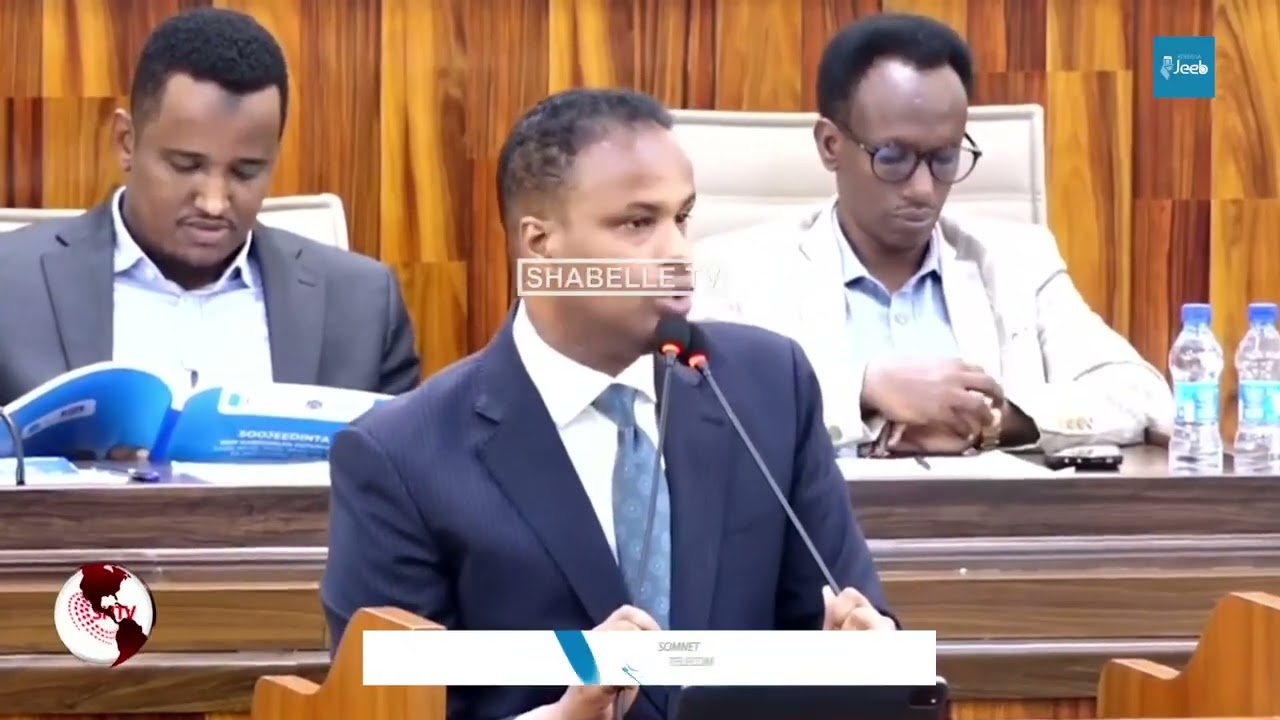
In a wide-ranging interview with Shabelle TV, MP Mohamed Harun (Maxamed Haaruun) has issued a stark warning that Somalia cannot achieve meaningful progress while allowing individuals to simultaneously hold positions as Members of Parliament and government ministers. The parliamentarian argued that this practice of dual roles undermines the accountability mechanisms necessary for effective governance.
Harun criticized the current selection process for ministers and MPs, noting that it draws from a limited pool of individuals rather than tapping into the thousands of capable leaders available within Somali society. "Our country cannot move forward with an MP who is also a minister," he stated, emphasizing that the separation of powers between the legislative and executive branches must be clearly defined and respected.

The MP specifically addressed several constitutional articles under review, expressing support for Article 88 of the House of the People's regulations, which he noted replaces Article 68 with more detailed and improved provisions. However, he raised concerns regarding exceptions related to the rejection of constitutional amendments, suggesting a return to previous procedures except for specific clauses regarding written constitutional objections.
Regarding parliamentary leadership, Harun focused on Article 90, which outlines qualifications for Speakers. He argued that Speakers must resign from all other positions, including leadership roles within political parties, to maintain neutrality. He cited examples suggesting that allowing Speakers to remain party leaders—comparing situations involving figures like Butros and the President—creates conflicts of interest. "The Speaker must be someone who has traversed between opposition and ruling party members," he noted, highlighting international standards where Speakers typically resign from party leadership to preside impartially.
Source: Original video
Harun also addressed Article 93, supporting the provision that allows the Speaker of the House of the People to preside over joint parliamentary sessions, noting this aligns with international norms. He criticized proposals suggesting rotation between the House of the People and Upper House Speakers, arguing this could lead to conflicts.
On presidential impeachment procedures under Article 96, Harun argued that removing a president from office should require involvement from both parliamentary houses—the House of the People and the Upper House—rather than allowing one chamber to act independently. He contended that while the conditions for impeachment might be specific to each house, the actual removal process should be a joint procedure to ensure legitimacy.

The MP also criticized lengthy term limits for parliamentary committees, describing 12-year tenures as undemocratic and contrary to constitutional principles.
Toward the end of the interview, the program featured information about Beco Company, identified as Somalia's largest electricity provider, which supplies power to 17 districts in the Banadir region and key infrastructure including Aden Adde International Airport, the Port of Mogadishu, and international embassies.